In Service to Life: A Learning, Community and Transformation Experience at ZEGG
Evolving Cycles was proudly one of the sending organizations for this training course.
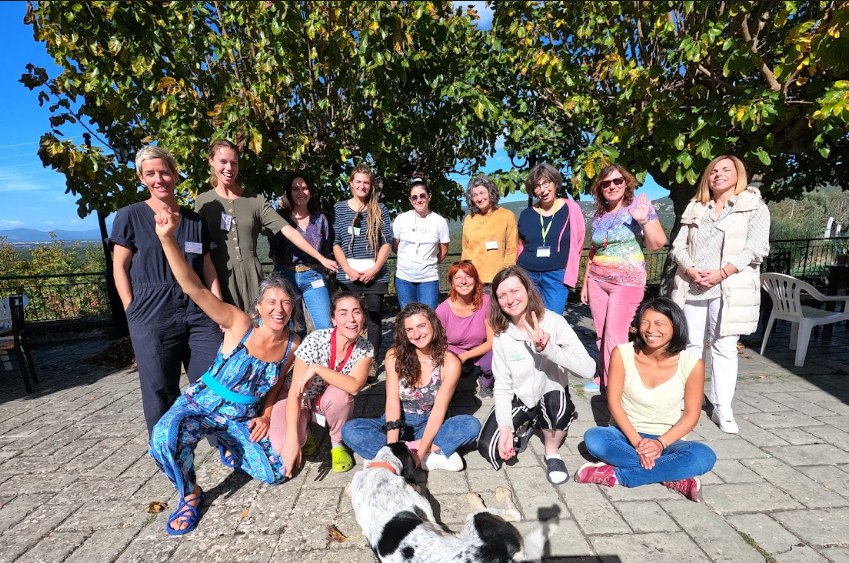
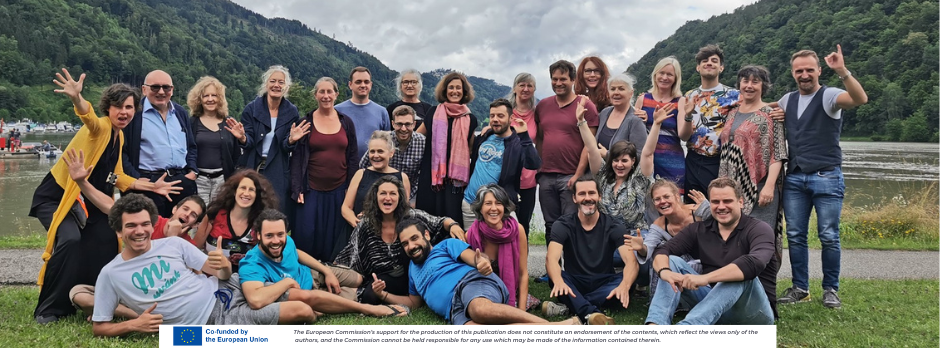
From 8 to 18 July 2026, we took part in the Erasmus+ Training Course “In Service to Life”, organized by ZEGG (Centre for Experimental Society Design), an ecovillage located near Bad Belzig, around 80 km southwest of Berlin, Germany.
ZEGG is an intentional community and ecovillage founded in the 1990s. It is known for its work in community living, participatory decision-making, ecological sustainability, and authentic communication. The community explores new ways of living that respond to today’s social and environmental challenges.
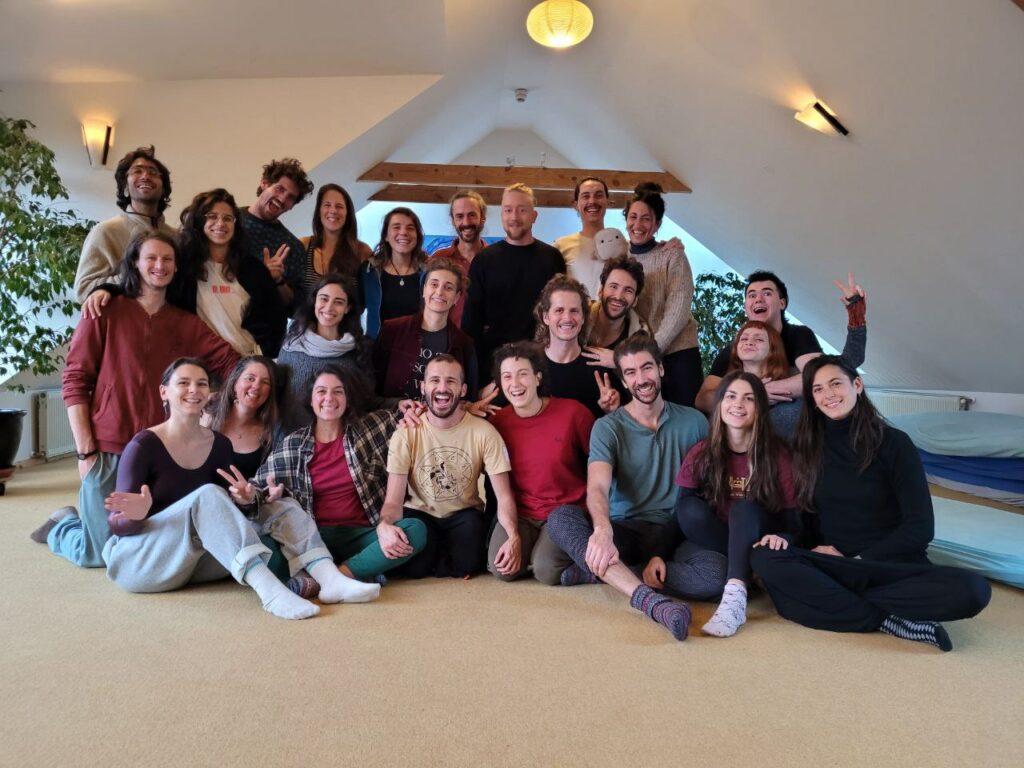
Hidden in the green surroundings of Bad Belzig, ZEGG became our home for ten days. Here, learning was not limited to workshops; it became part of everyday life.
From the first evening, we started getting to know each other through games, exercises, and informal conversations. It was a simple and fun beginning that helped us feel comfortable, open up, and create our first connections.
During the training, we explored ZEGG and learned about its history, values, community life, and ways of making decisions. We discovered how people share responsibilities and work together to create and maintain their community.
The project In Service to Life invited us to reflect on what it means to live in service of life during a time of major social, cultural, and ecological change.
Through group activities, community work, nature experiences, and self-reflection exercises, we explored new forms of leadership, responsibility, and active participation in creating a more sustainable future.
The project In Service to Life invited us to reflect on what it means to live in service of life during a time of major social, cultural, and ecological change. Through group activities, community work, nature experiences, and self-reflection exercises, we explored new forms of leadership, responsibility, and active participation in creating a more sustainable future.
First Steps: Building Trust and Community
The experience started with welcome activities designed to help us meet each other and create a safe space for learning together. Through games, group exercises, and informal conversations, we had the opportunity to share who we were, our motivations, and our expectations for the project.
These first activities were important for building trust and helping everyone feel more comfortable. From the beginning, it became clear that human connection and relationships would be an important part of the whole training.
The next day, we had a tour of ZEGG. We learned about the history of the community, the ideas behind its creation, and the ways in which people organise their shared life. We learned about participatory decision-making, common spaces, the use of resources, and the importance of shared work in keeping a community alive and strong.
The Journey of the Training
The training was organised as a journey. Each activity connected with the next one, taking us from building trust to exploring ourselves, our relationships, nature, and our responsibility towards the future.
The Forum: A Tool for Authenticity
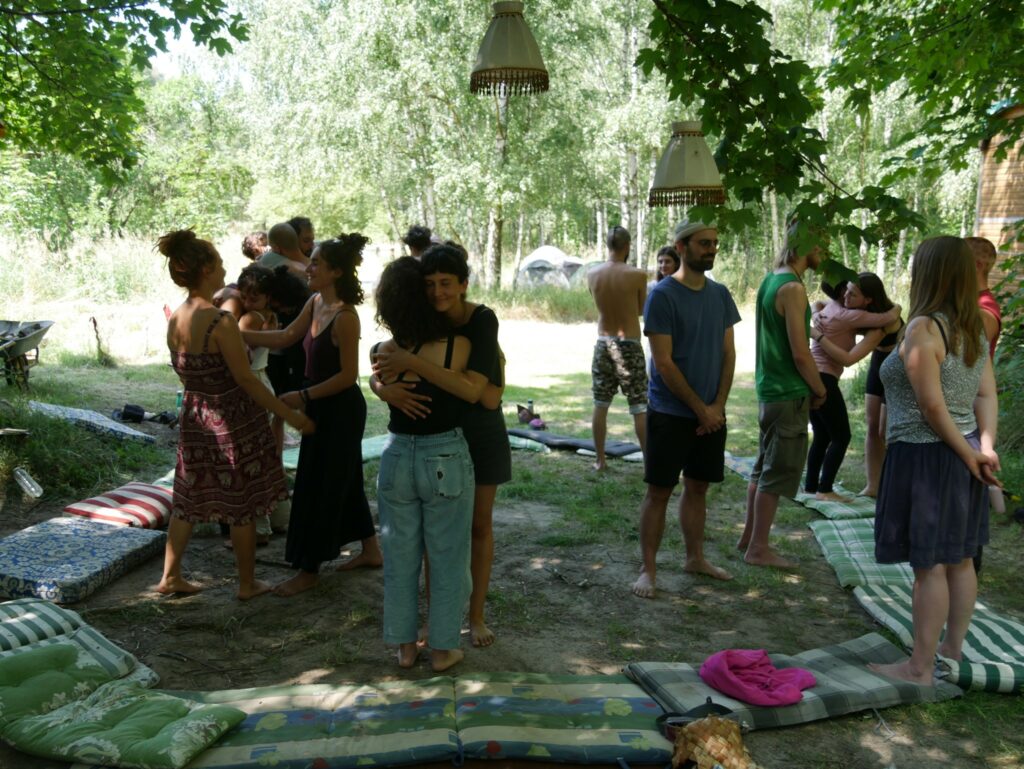
The Forum is a method developed by ZEGG for honest expression and deeper connection. Sitting in a circle, one person can enter the centre and share thoughts or feelings while the group listens without judgement. It helped us build trust and experience vulnerability as a strength.
Learning by Doing: Community Life
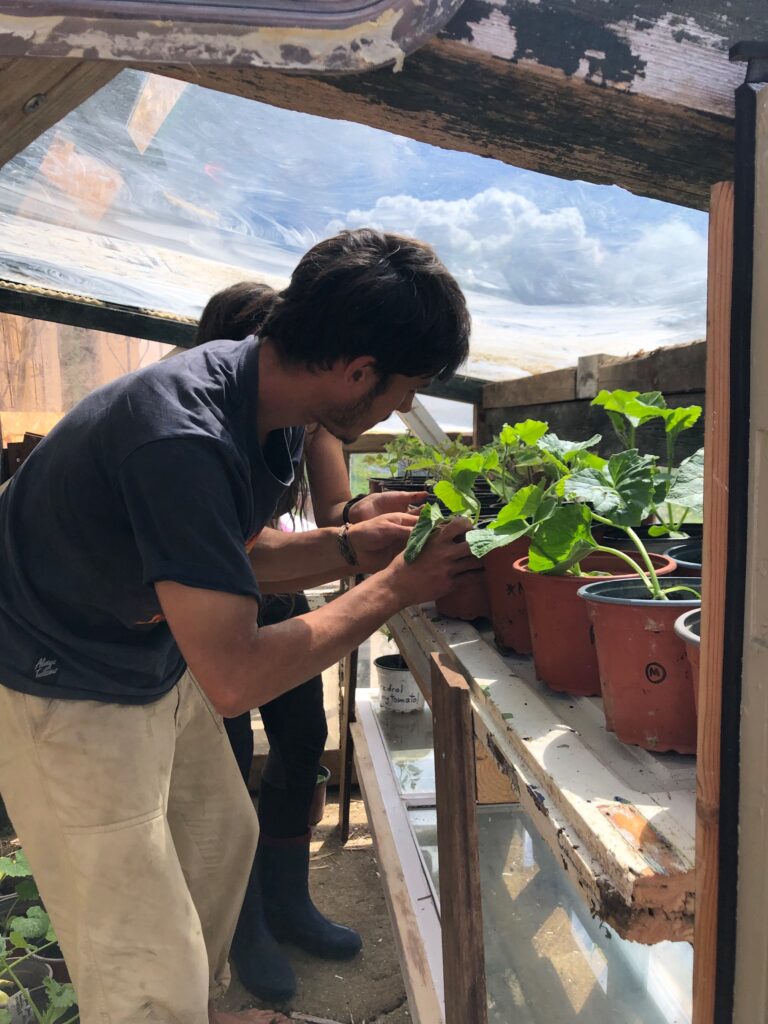
We took part in daily community work, including farming, cleaning, cooking, and caring for common spaces. Working together showed us the value of cooperation, interdependence, and collective responsibility, while also reconnecting us with practical physical work.
Presence, Listening and Self-Awareness
We worked on presence, deep listening, and self-awareness. These exercises helped us pay attention to our feelings and thoughts and listen to others without judgement. We also presented our personal projects, sharing the different ways in which we are already trying to create positive change.
The Bus: Understanding Our Inner Voices
The “Bus” used different passengers as a metaphor for our emotions, beliefs, fears, and desires. We explored who is driving our bus in different situations and how these inner voices affect our actions and communication. It helped us become more aware of ourselves and our values.
Paradigm Shift: Accompanying the End of an Era
In Paradigm Shift, we explored the crisis of modern society and the idea of hospicing modernity: accompanying the end of old systems and making space for new ones. We looked at culture, economics, worldview, the psycho-spiritual dimension, and interbeing, and discussed more regenerative ways of living.
The House of Modernity: Understanding Invisible Structures
The House of Modernity, developed by Vanessa Machado de Oliveira, helped us explore the structures behind modern society, such as global capital, universal reason, the nation-state, and separation from nature. We also discussed hidden costs such as dispossession, genocide, ecocide, and structural damage. Finally, we imagined different possible futures and reflected on our fears and desires.
Coming Back to Life: Reconnecting with Nature
Through outdoor activities, silence, farm work, meditation, and observation, we explored what it means to reconnect with nature and with ourselves. We began to see nature not as something outside of us, but as something we are part of and responsible for protecting.
Withholdsharing: Removing the Stones from the River
Withholdsharing focused on honest communication. We used the metaphor of a river: unspoken feelings can become “stones” that block its flow. By sharing what we normally keep inside, we experienced vulnerability, emotional connection, and a stronger sense of trust within the group.
Ancestral Wisdom and Responsibility Towards the Future
The Path to Eldership focused on the value of older people as keepers of experience and wisdom, and on the importance of preserving ancestral knowledge. Through 7 Generations, we thought about what we would tell future generations and what they might tell us about the choices we make today.
Responsibility, Ritual and Closing
We explored individual and collective responsibility as our ability to respond to the needs of our time. A ritual about transitions and rites of passage gave us space to reflect on what we wanted to leave behind and what we wanted to take forward. The training ended with evaluation and gratitude, sharing our main learnings and recognising the impact of the group.
Conclusion
In Service to Life was much more than an international training course. It was an opportunity to experience a different way of understanding community, sustainability, and human development. Through living together at ZEGG, self-awareness activities, and reflections on global challenges, we developed a wider understanding of the role we can each play in creating fairer and more regenerative futures.
One of the most valuable lessons was that social change does not only start in large institutions or through public policies. It also starts in the way we communicate, relate to each other, and collaborate every day. The experience gave us new tools for listening, cooperation, and critical thinking, while strengthening our sense of responsibility towards our communities and the living world.
For all these reasons, the Erasmus+ experience had a strong impact on us, both personally and professionally. We left ZEGG with new questions, new tools, new connections, and a stronger motivation to bring these learnings into our future projects and communities.